Robert Malenka
Professor of Psychiatry and Behavioral Sciences at Stanford School of Medicine specializing in neuroplasticity, synaptic mechanisms, and reward systems. Renowned researcher investigating the neural basis of learning, memory, and addiction through electrophysiological and molecular approaches.
About
Robert Malenka is a distinguished Professor of Psychiatry and Behavioral Sciences at Stanford School of Medicine, holding both MD and PhD degrees. His research career has focused on understanding the cellular and molecular mechanisms underlying synaptic plasticity and reward processing in the brain.
He has made significant contributions to the field of neuroscience by elucidating how neural circuits encode reward and motivation, with particular emphasis on the role of dopamine and glutamate signaling in learning and addiction. His work has been instrumental in advancing our understanding of how experience shapes neural circuits through activity-dependent mechanisms.
At Stanford, Malenka has led a productive research laboratory that has trained numerous graduate students and postdoctoral fellows, contributing to both fundamental neuroscience and translational research with implications for psychiatric and neurological disorders.
Areas of Expertise
Recent Podcasts

How Your Brain’s Reward Circuits Drive Your Choices | Dr. Robert Malenka
Topic: The brain's reward circuits, neuroplasticity, and their impact on motivation, addiction, social bonding, and neurological disorders like autism, through the lens of dopamine and serotonin.
Recommended podcast guests for you

Tara Swart
neuroscientist author

TJ Power
neuroscientist researcher
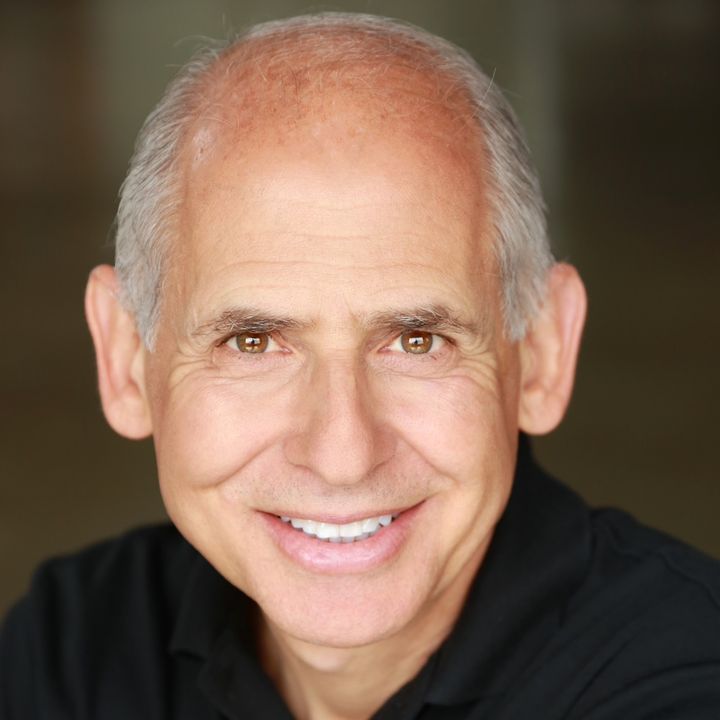
Dr. Daniel Amen
psychiatrist neuroscientist

Joe Dispenza
neuroscientist author
Dr. Matthew Walker
neuroscientist sleep expert
Jeff Hawkins
Neuroscientist Author

Charan Ranganath
neuroscientist professor

Wendy Suzuki
neuroscientist author

Andrew Huberman
neuroscientist podcaster

Matt Botvinick
neuroscientist director