The role of sleep and dreams, particularly REM and non-REM sleep, in learning, emotional regulation, and processing traumatic experiences, along with strategies to optimize these sleep stages.
About this podcast
Dive into the fascinating science of sleep and dreams with this Huberman Lab Essentials episode. Dr. Andrew Huberman explains how different stages of sleep, specifically Rapid Eye Movement (REM) and non-REM sleep, are crucial for various forms of learning, from motor skills to emotional processing. Discover the surprising parallels between REM sleep dreams and clinical treatments like EMDR and ketamine therapy for trauma recovery. This episode offers profound insights into how our brains use dreams to learn, unlearn challenging emotional events, and regulate mood. Learn science-backed strategies to optimize both types of sleep to enhance your learning capabilities, emotional resilience, and overall well-being. Understand the hidden power of your nighttime brain activity and how to leverage it for a better waking life.
podcaster host & Guests
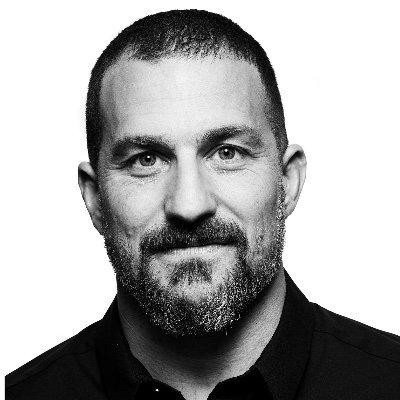
Andrew Huberman
neuroscientist podcaster
similar podcasts

The biological and psychological utility of play for brain health, cognitive flexibility, and neuroplasticity across the lifespan, and how adults can reintroduce it for cognitive benefits.
00:31:49

ADHD, attention, focus, neurobiology, treatment options
00:37:55

Workspace optimization for productivity, focus, and creativity
00:30:12

Neuroplasticity, brain rewiring, and accelerated learning through behavioral strategies and neurological therapies like Vagal Nerve Stimulation (VNS), involving neuromodulators and their impact on cognitive and motor skills, and treatment for conditions like tinnitus, stroke, depression, and PTSD.
03:09:36

The science of breathing, its mechanics, neural circuits, and profound influence on mental states (anxiety reduction, emotional resilience) and physical performance, including practical tools like box breathing and magnesium L-threonate supplementation.
00:45:48

The profound impact of light on human physiology, mood, sleep, and overall mental health by regulating the circadian clock, offering practical protocols for optimizing daily light exposure.
00:30:45

Time perception, memory, and focus influenced by biological rhythms and neurochemicals
00:30:56

The scientific understanding of social connection and how to build strong bonds with family, friends, and romantic partners, explored through neurobiology and psychology.
00:32:15

Exploring the intricate functions of the human brain, with a deep dive into visual perception, sensory systems, and neuroplasticity.
00:35:44

Brain Function, Sensory Integration, and Thought Processes
02:16:35